kg

The king crab (also known as the Kamchatka crab) is not a native species in the Barents Sea, but an immigrant from the east. Its history began in the 1960s when Soviet scientists transported crabs from the Sea of Japan in the Far East to the Murmansk Fjord. The goal was to establish a new, valuable resource for the local population.
Ten large female crabs survived the long train journey across the former Soviet Union and were released into our local area. Since then, the crab has multiplied rapidly and migrated west along the Norwegian coast. Today, it forms the basis of an important commercial fishery and has become one of the most iconic symbols of Northern Norway.
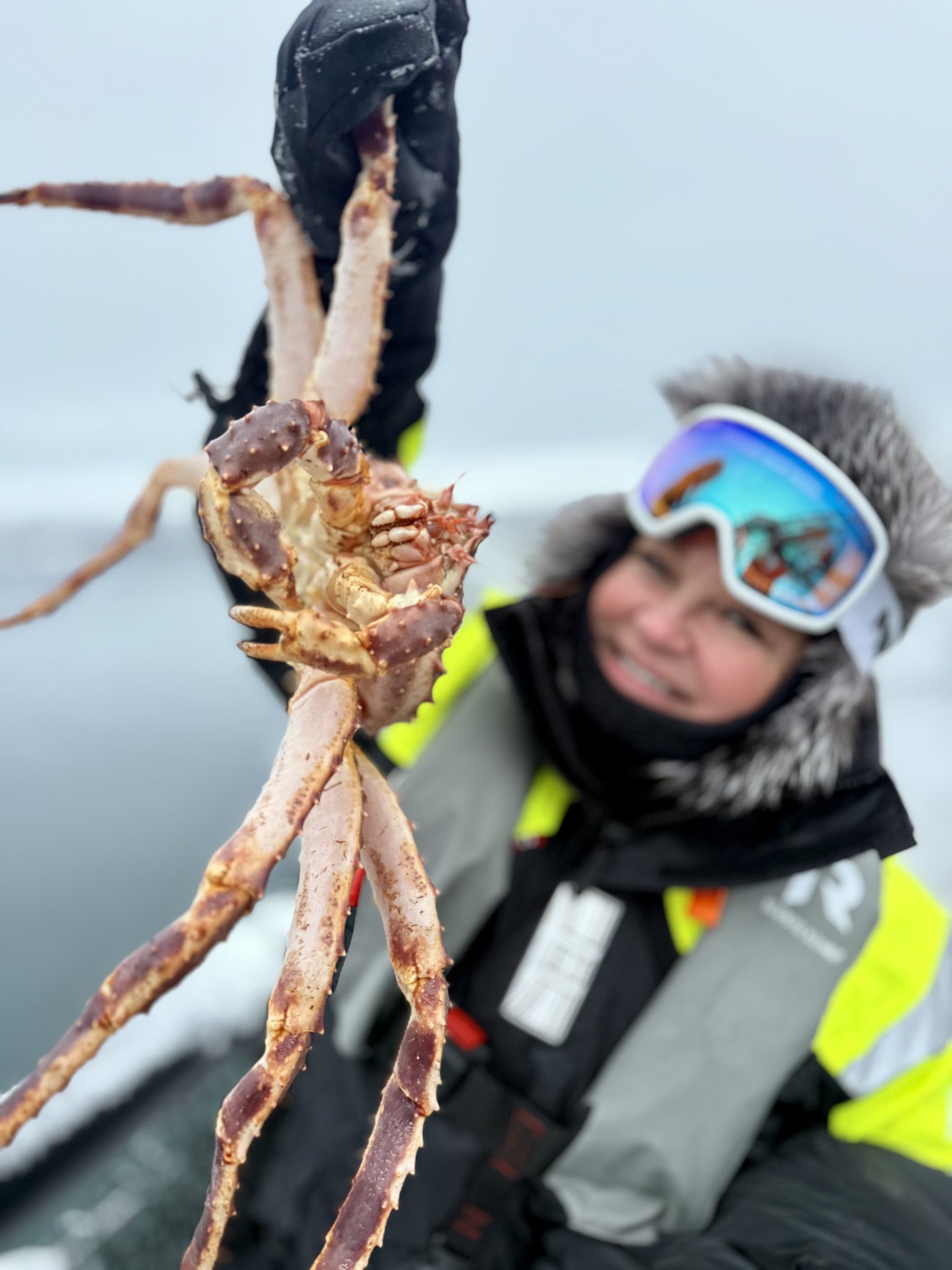
There are many ways to get up close to king crab in the Kirkenes region. You don't just have to see it on a plate; you can even help catch it yourself!
Boat safari: In summer and autumn you can speed out onto the fjord in boats to pull in fish together with professional fishermen.
Winter adventure with snowmobiles: When the ice has settled, the safari often takes place with snowmobiles and sleds out onto the frozen fjord, where we fish through holes in the ice.

The king crab is truly a giant of the deep sea. Here are some facts that make it truly special:
Size: A fully grown king crab can weigh up to 10–14 kilograms and have a claw span of almost two meters.
Biology: It actually belongs to the crab family and is closely related to hermit crabs – which you can see from the fact that it only has three pairs of walking legs (regular crabs have four).
Survival ability: It thrives best in icy water, usually between –1 and +11 degrees, and can live for up to 30 years.
The delicacy: The meat in the legs and claws is world-renowned for its sweet, mild flavor and firm texture, making it one of the world's most exclusive raw materials.
No trip to Kirkenes is complete without a man's meal of fresh king crab. Here, the ingredient is served at its very best:
Classic northern Norwegian way: Steamed in fresh water and served with bread, butter, mayonnaise and lemon. This is the best way to experience the natural sweetness of the meat.
From pot to plate: Many of our safaris end in rustic boathouses, lavos, huts or by the fire, where the crab is cooked immediately after being caught. It doesn't get any fresher than that!
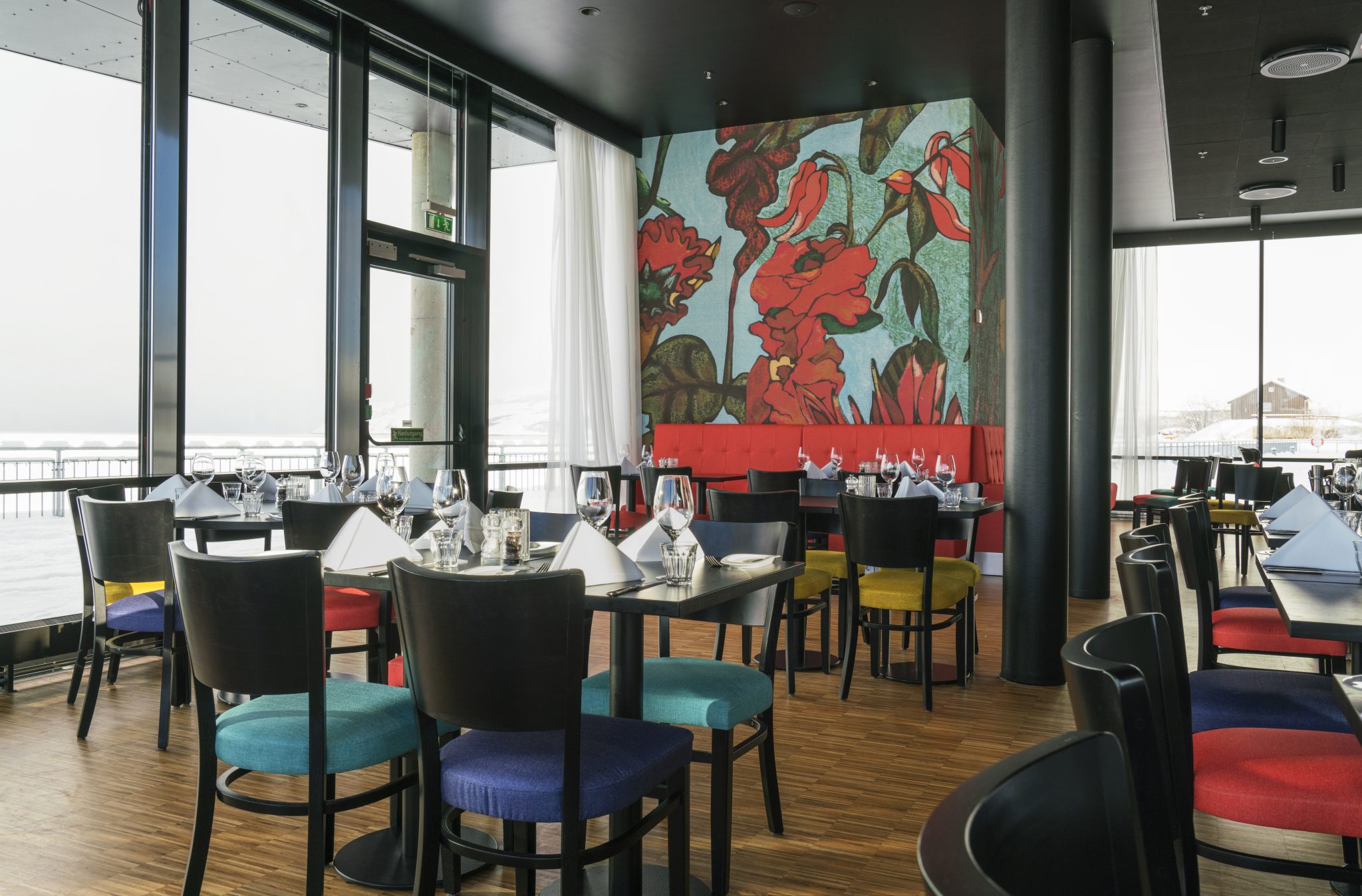
Gourmet experiences: Local restaurants also offer more sophisticated dishes where king crab is combined with other Arctic flavors.